



Description
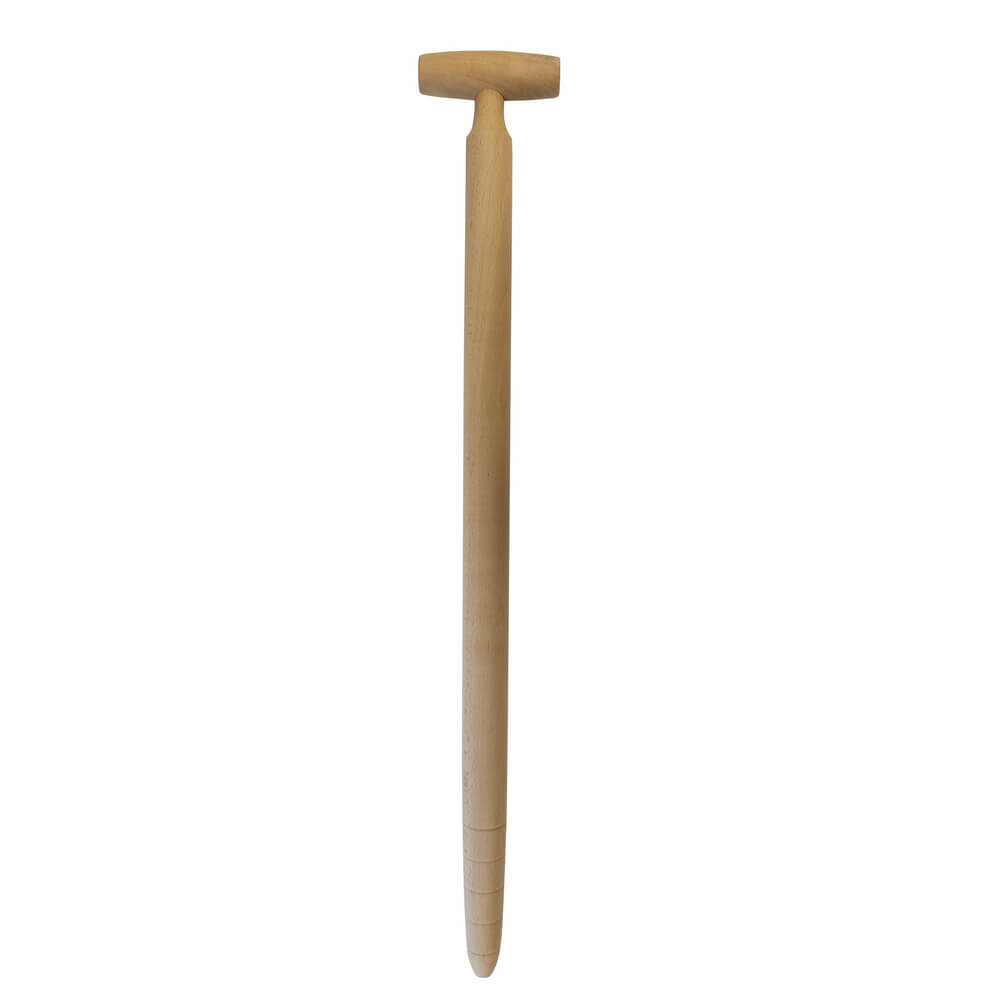
This long handle wooden dibber is used for making planting holes in soil. It creates accurate holes for seed and bulb planting, with inch markings to guide depth and spacing.
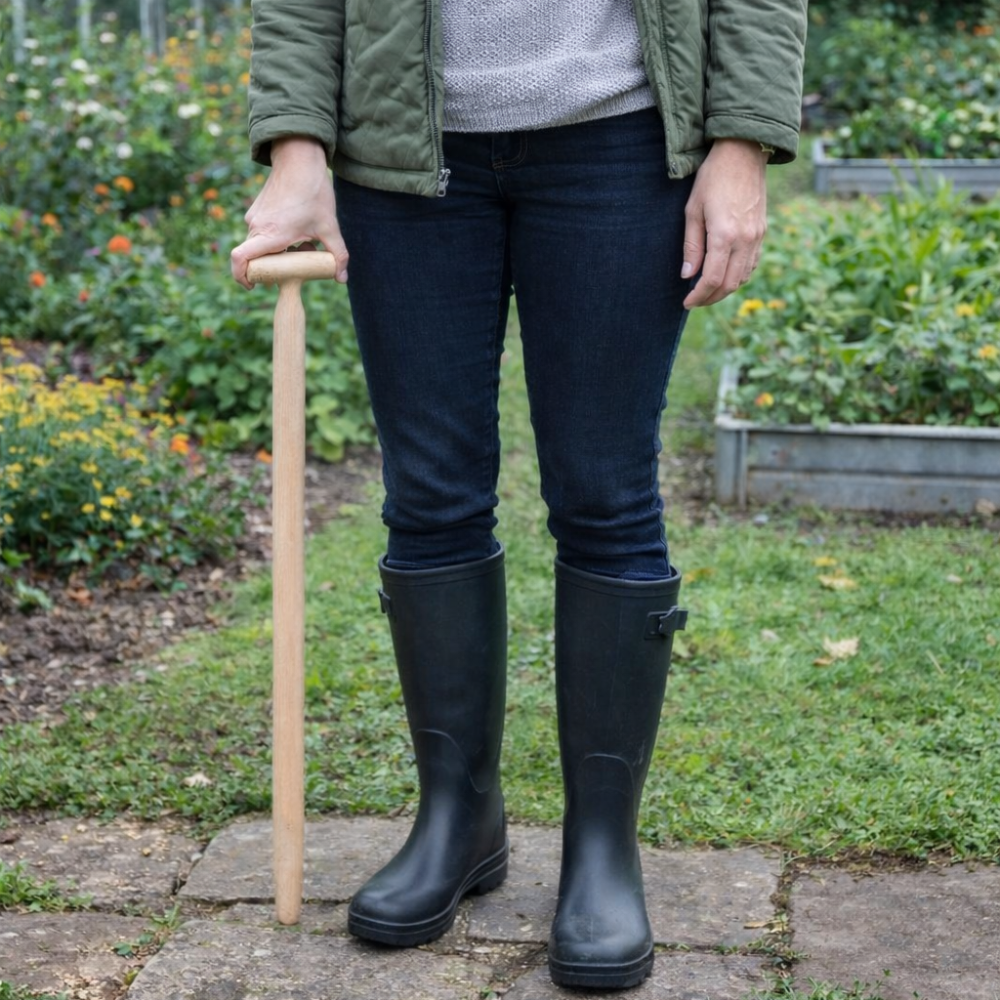
Commonly used in raised beds and allotments, this long handled dibber allows repeated planting without constant bending or kneeling, helping reduce strain during larger planting sessions.
Plant accurately using a garden dibber tool
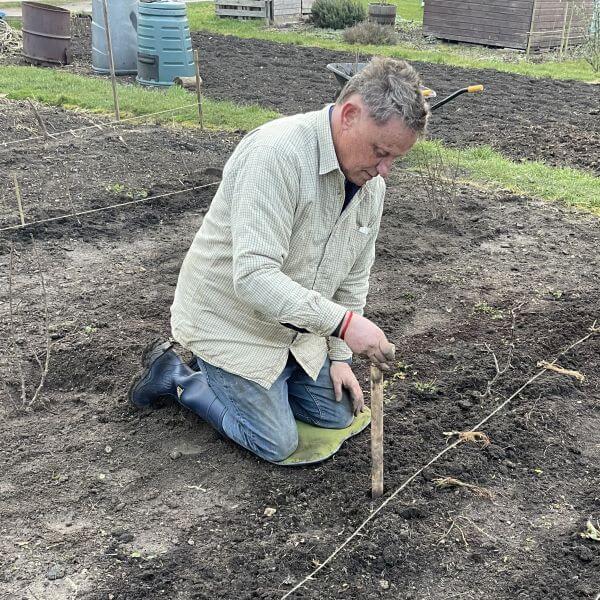
This wooden dibber helps you place seed, small bulb, and young plant at a consistent depth. The pointed end presses neatly into soil to form a clean planting hole, which supports orderly sowing across rows or individual pots.
For added accuracy when planting in rows, pair it with a seed spacing ruler.
Measure planting depth with inch markings up to 5 inches
The tip includes clear depth markings in inches up to 5 inches. This helps you follow sowing instructions more closely, reducing guesswork when planting seed varieties that need a specific depth.
Reach raised beds easily with a long handle dibber
The extended handle gives you extra reach for raised beds and vegetable patches. It supports planting from a standing position, making it a practical choice for larger plots and repeated sowing sessions where comfort matters.
Benefits of the wooden dibber for seed and bulb planting
- Creates neat planting holes for seed, small bulb, and plug plant
- Depth markings help you follow planting instructions more accurately
- Long handle reduces the need to kneel or lean over raised beds
- Useful for vegetable patch, container planting, borders, and allotment growing
Specification and available size
- Length: 68.5 cm (including handle and tip)
- Width at handle: 10 cm
- Diameter: 2.7 cm
- Material: European beech wood
- Depth guide: Inch markings up to 5 inches
FAQ
Can I use this dibber for transplanting seedlings?
Yes. It is useful for creating starter holes for seedlings and plug plant, helping you lower roots into soil without crushing the stem or forcing the plant into place.
Does a wooden dibber work well in clay soil?
In heavy or compacted soil, loosen the area first with a fork and water lightly if needed. If your growing area often has tough ground, you may prefer a stainless steel dibber.
How should I clean and store the beech wood dibber?
Wipe it clean after use and allow it to dry fully before storing indoors. Avoid leaving it outside in damp conditions to help prevent swelling or roughening of the wood surface.
What makes the depth markings helpful for seed sowing?
Many seed packets recommend a specific sowing depth. The inch guides help you repeat that depth across multiple holes, which is especially useful when sowing mixed varieties in trays or raised beds.
Can I use this in pots and planters as well as garden beds?
Yes. The narrow tip is suitable for containers, allowing you to make holes in compost without disturbing nearby seed placements.