

Every year, UK spending on Mother’s Day keeps climbing — with billions spent on cards, flowers and special days out. If you’re choosing blooms, here’s a friendly guide to meanings, myths and care tips so your bouquet really lands.
“a mother is like a flower — each one is beautiful and unique”
Studies suggest flowers can lift mood immediately and support wellbeing over time. As Dr Jeanette Haviland-Jones notes, “flowers make us happier than we know, with strong positive effects on our emotional well-being.”
What Do Different Flowers Mean?
When picking (or hand-tying) a bouquet, flower meanings can help you personalise it. Below are popular Mother’s Day choices and what they traditionally symbolise.
Carnations
The most popular Mother’s Day flower. Pink carnations are often linked to a mother’s undying love.

Other colours: light red = admiration, dark red = deep love and affection, white = purity and remembrance.
Roses
Classic and versatile: dark pink signifies gratitude and appreciation; pink = love; white = remembrance, dignity and purity; cream = thoughtfulness; yellow = friendship and celebration; orange = pride.

Myths: Romans linked roses to Flora, goddess of spring; Greek legend credits Aphrodite; another tale says a spilled bowl of wine led Cupid to dedicate roses to Venus.
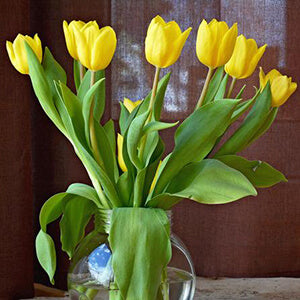
Tulips
Modern, cheerful and great for new mums: comfort, cosiness and happiness; also “new beginnings.”

Yellow = hope and cheer; pink = happiness; red = love; purple = admiration. Mixed colours look stunning, too.
Daffodils
Bright, budget-friendly and often home-grown. Symbolise positivity, rebirth and fresh starts.

Poem: enjoy a sweet daffodil rhyme here (Wibsey Primary School).
Pretty assassin? Daffodil sap can shorten other flowers’ vase life — florists suggest conditioning stems separately, then changing water often once arranged.
Orchids
Long-lasting and elegant: luxury, love, beauty and strength. Green = good health and fortune; pink/purple = elegance, respect and admiration.

Did you know? The Gold of Kinabalu (Rothschild’s slipper orchid) can command eye-watering prices for a single stem.
Freesias
Delicate and fragrant — the ultimate symbol of friendship and trust (a Victorian favourite). White = purity/innocence; red = romance; purple = beauty/royalty; pink = femininity and love.

Vase life is typically 7–10 days; a vase with a tapered neck helps support those graceful stems.
Lilies
Varied and expressive, often linked with motherhood and gratitude.
- Oriental lilies: dramatic colours, big trumpet blooms, strong fragrance. Orange = pride/confidence; red = love/passion; pink = prosperity; yellow = gratitude.
- Lily of the valley: dainty bells symbolising love, devotion and purity.
- Calla lilies: sculptural and statement-making; myths tie their origin to drops of milk forming the Milky Way and lilies on earth.

Legend: Venus was said to have placed the yellow pistil in callas out of jealousy — hence occasional links to lust and envy.
Top Tips: Make Mother’s Day Flowers Last
Got a gorgeous bouquet? Use these simple steps to keep it looking fresh for longer.
Prep the Vase
Start with a clean vase. If there are stubborn marks, soak overnight with a little bleach, then rinse thoroughly.
Add Enough Water
Fill the vase two-thirds with fresh water before arranging blooms. Refresh water and clean the vase every couple of days.
Prepare the Stems
Strip any foliage that would sit below the waterline. Re-cut stems at a 45° angle (about 3–4 cm) with sharp scissors or a knife for better uptake.
Place Them Well
Display away from draughts, direct sun and heat sources. Avoid placing near fruit — ripening releases ethylene gas that shortens vase life.
Our blog posts mix personal know-how with info from gardeners, makers and reputable sources. We aim for accuracy — but if you spot something off, we’re human. Ping us and we’ll fix it.